
Team Identity and Custom Performance Apparel
Teams and organisations that treat clothing as strategic communication see measurable gains in cohesion, morale and external recognition. A clearly defined kit signals shared purpose to members and spectators alike, reduces ambiguity during competition and makes sponsors more confident. For teams in the UK and Ireland, where local rivalry and community identity matter, custom technical apparel can turn everyday training and match days into brand-building opportunities.
Design, color and brand basics for effective kits
Logos, typography and colour choices must work at distance, on broadcast and on social feeds. Logos should be vector-based, reproduced in negative and positive versions and positioned consistently across garments to meet regulatory and sponsor needs. Typography needs to be legible at body scale; avoid fine hairlines or condensed display faces for names and numbers. Colour decisions shape perception among players, officials and supporters and should respond to climate, visibility and club heritage.
Below is a practical comparison of common palette choices and their typical effects in UK and Ireland sporting contexts. The matrix combines perception, visibility in low light and suggested sports where the hue performs well.
| Colour | Perception and associations | Visibility in dusk or rain | Recommended sporting contexts |
|---|---|---|---|
| Red | Energy, aggression, historic club pride | High contrast against green pitches, medium in low light | Football, rugby, competitive cycling |
| Navy / Dark Blue | Authority, tradition, durability | Low contrast on dark backgrounds, use for away kits | Rowing, sailing, university teams |
| Bright Yellow / Fluoro | Safety, visibility, modern image | Excellent in poor light and urban training | Road cycling, running, youth programmes |
| Green | Local identity, environmental messaging | Blends with grass, add contrast trims | Gaelic games, cross country, community clubs |
| Black / Charcoal | Sleek, professional, sponsor-friendly | Low visibility at night, strong contrast with white logos | Gym wear, winter thermal layers |
| Orange | Bold, modern, high energy | Good daytime visibility, moderate night | Triathlon, coastal sports, promotional kits |
Colour combinations must also take broadcast balance and sponsor contrast into account. A kit that photographs well but fails safety standards for evening training or coastal conditions is a missed opportunity.
Performance design, fabrics, fit and customization
Technical choices determine whether apparel supports performance goals or simply looks good. Fabric weight, breathability and stretch must match the sport's energy profile. Lightweight polyester knit with moisture-wicking finishes suits endurance cycling and running. Brushed thermal fabrics add insulation for winter training in northern England and Scotland. Compression panels should be targeted for recovery and support rather than applied across an entire garment where mobility matters.
Customization options should be selected with durability in mind. Common enhancements include:
- Player names and numbers using dye-sublimation or heat-sealed vinyl for repeated washes
- Sponsor logos in full colour with attention to bleed and laundering limits
- Embroidered patches for heritage badges that withstand abrasion
- Reflective trims for evening safety and race regulations
Balancing appearance and functionality requires testing prototypes on real athletes in expected conditions. Inclusive sizing strategies matter for mixed teams. Offer extended size ranges and adjustable fits, and provide a measurable size chart with chest, waist and hip dimensions in centimetres and inches. Consider gender-specific cuts where the activity and movement patterns differ significantly.
Working with Champion System UK: ordering, costing and sustainability
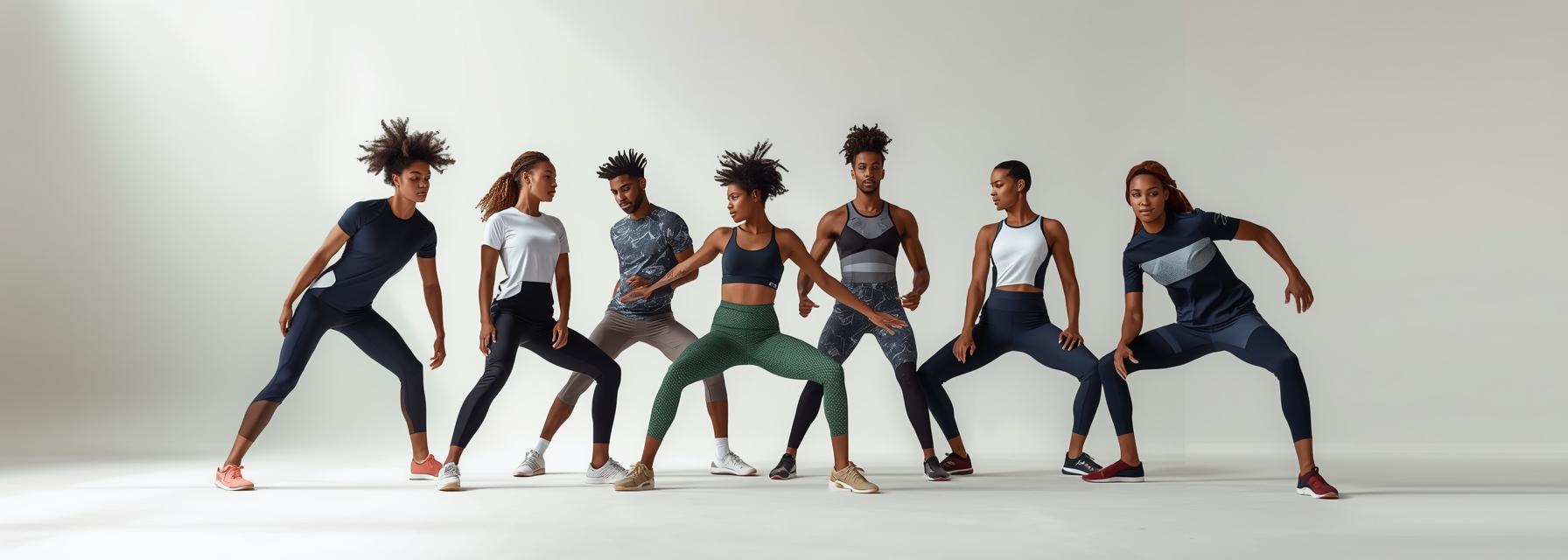
Champion System UK supports teams across the UK and Ireland with low minimums, fast turnaround and transparent pricing with no hidden costs. Typical steps for a club ordering kits include initial consultation to establish quantities and design files, approval of a digital mock-up, production of a sample garment and final bulk production. Lead times vary by product complexity and current production schedules, but fast-track options exist for urgent needs during pre-season windows.
Cost planning should include garment unit price, decoration costs, VAT and shipping within the UK or Ireland. Budget realistically for a first order sample and for possible reorder batches to keep costs per unit lower over time. Sustainable material choices are increasingly available: recycled polyester made from PET bottles, lower-impact dye processes and accredited supply chains reduce environmental footprint and appeal to sponsors and community members who prioritise ethics.
Care and maintenance extend kit life and protect branding. Follow fabric manufacturer laundering instructions, avoid tumble drying for printed elements, and store garments away from direct sunlight to minimise fading. A wear-and-repair policy that replaces high-wear pieces and retains sentimental heritage items strengthens identity while managing costs.
Launch, measurement, legal and iteration
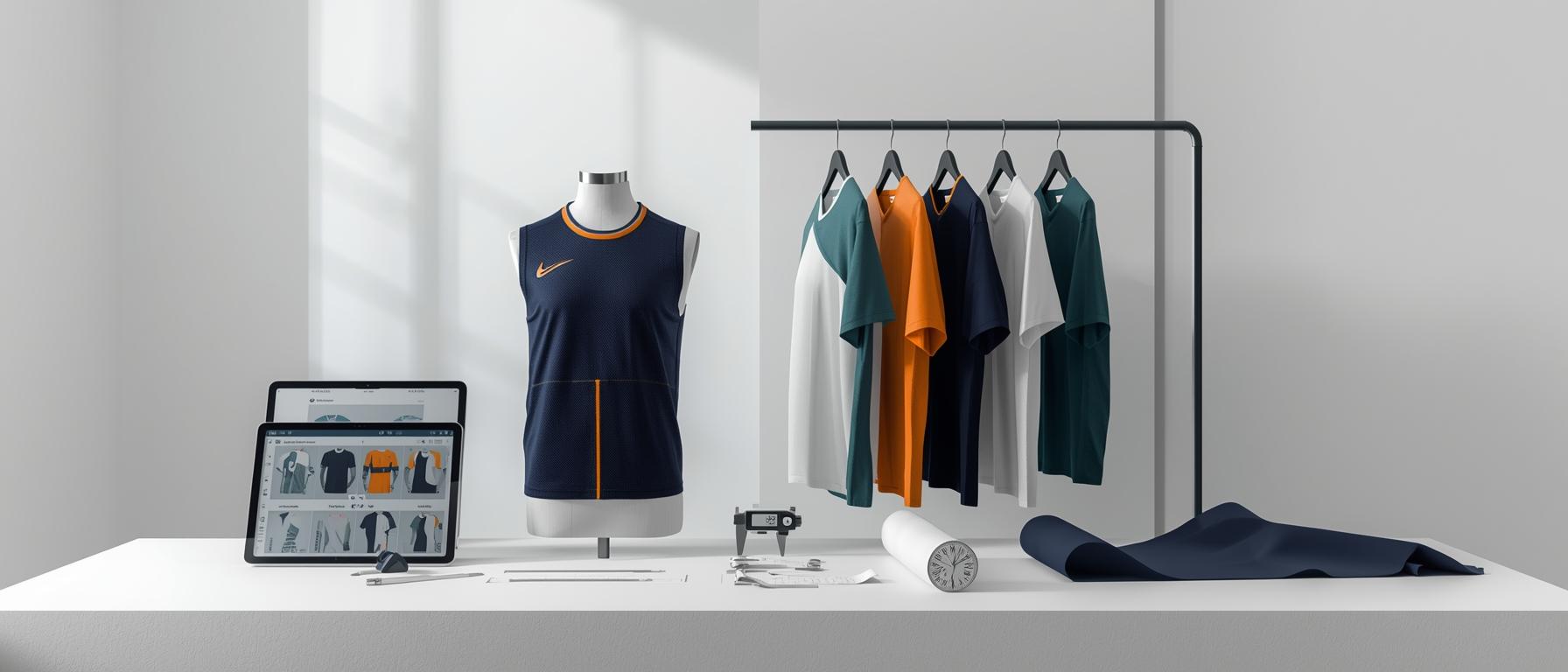
Launching a new kit requires a communications calendar that aligns delivery date with a launch event, photography and social assets. Communicate measurement of impact through simple metrics: kit uptake rate among players, social media impressions for launch posts, and sponsor activation responses. For grassroots clubs, a 60 to 80 per cent kit uptake often signals strong identity adoption.
Legal considerations must be addressed early. Confirm trademark ownership for crests and sponsor logos, obtain written sponsorship agreements specifying logo versions and placement, and verify that designs comply with governing body rules such as those published by national federations for football, rugby and cycling. Keep a record of approvals and label licences to avoid last-minute changes close to competition dates.
Iteration is best driven by structured feedback. Collect player feedback after the first month of use, track fit issues and abrasion points, and use that data to refine patterns and fabric choices in the next production cycle. Champion System UK can support phased rollouts and reorders that reflect evolving needs while maintaining consistent identity across seasons.
Teams and organisations that combine strong design principles with technical performance, inclusive sizing and responsible production unlock both on-field benefits and off-field brand value. Champion System UK’s model of low minimums, rapid turnaround and transparent pricing makes updating or creating a kit a practical step for teams across the UK and Ireland.
